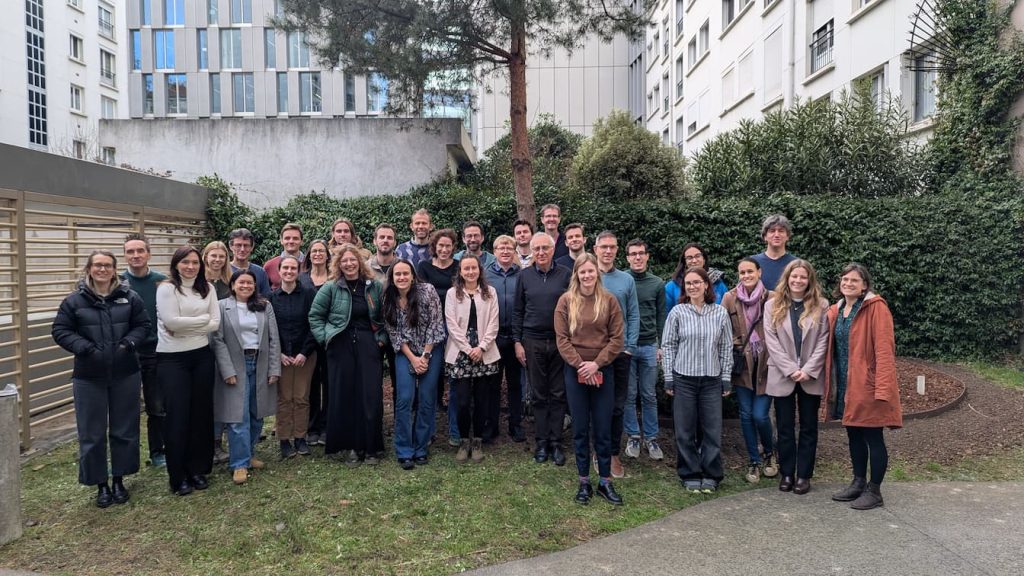
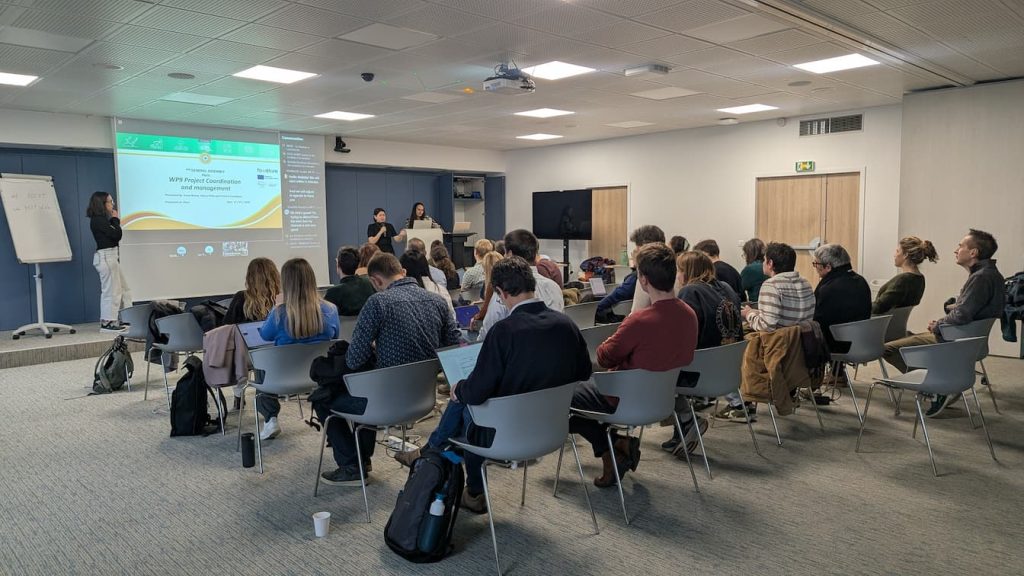
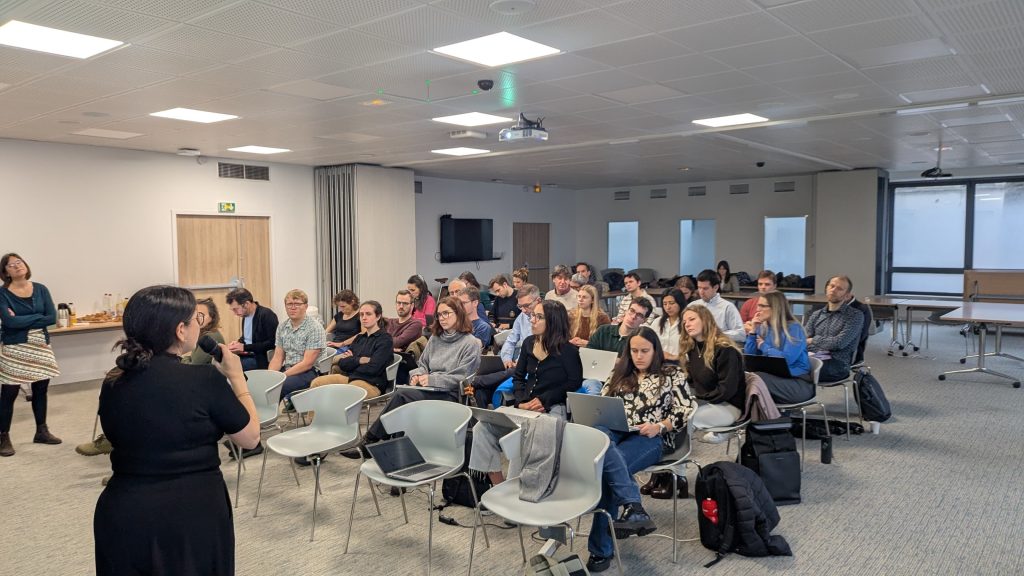
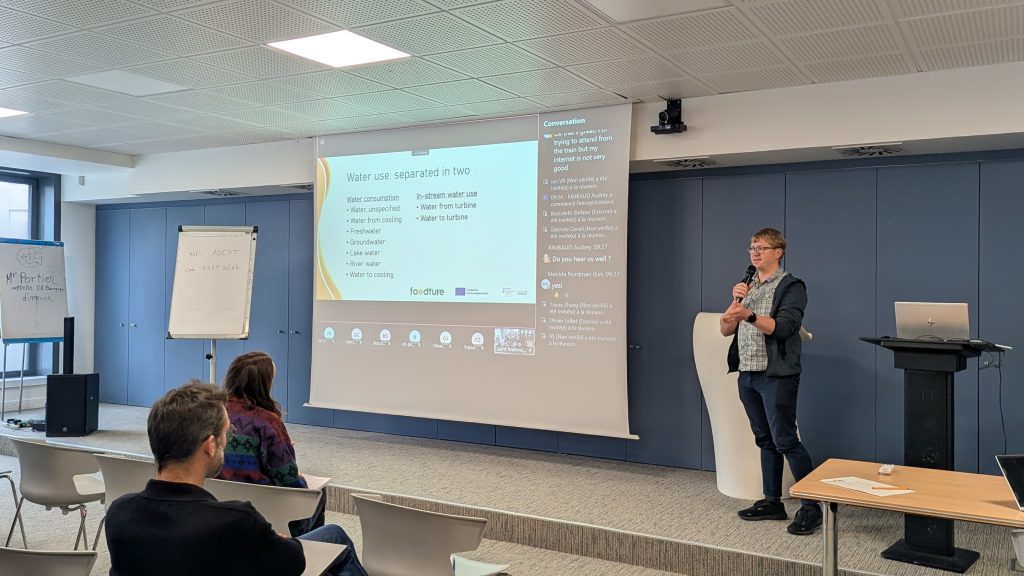
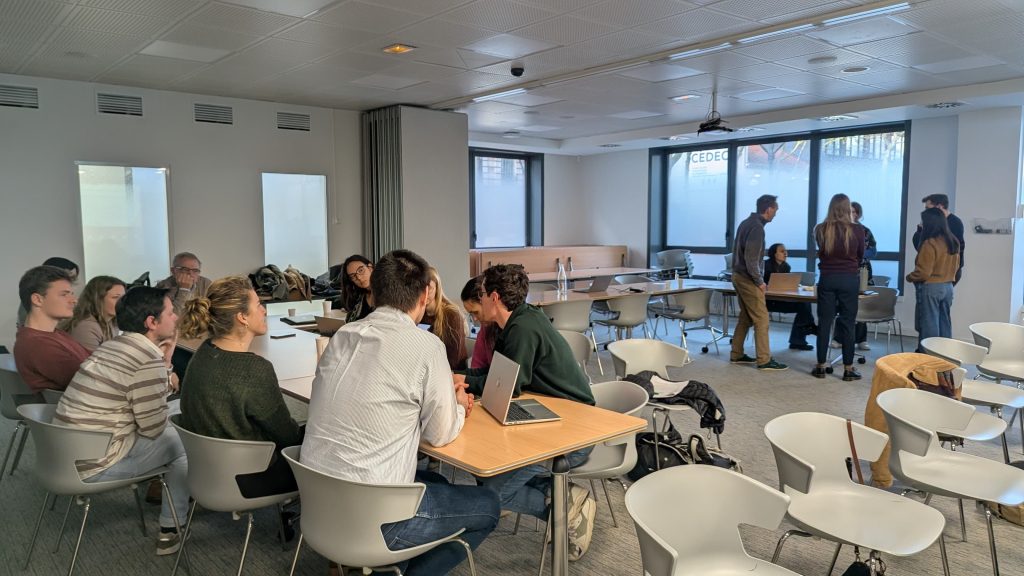
On the 15th and 16th of January 2026, the FOODTURE consortium met in Paris for its second General Assembly, marking the close of the project’s first year. The meeting showcased substantial scientific, methodological, and technical progress toward FOODTURE’s core ambition: making the environmental, social, economic, health, and animal-welfare impacts of food systems measurable, comparable, and usable at scale across Europe.
Mapping Europe’s Food System: From Consumption to Trade Flows
A major Year 1 milestone was the completion of a system and trade analysis of European food consumption, delivered to the European Commission in December 2025. The analysis identified 40 key food products that together represent around 60% of total food consumption across the EU27 plus five associated countries (Norway, Switzerland, the UK, Serbia, and Montenegro).
Beyond consumption volumes, FOODTURE mapped:
- Agricultural, aquaculture, fisheries, and processed food production
- Major import and export flows
- Common production practices
- Alternative products and farming systems with lower impacts
This work provides a foundation for modelling food systems from a life-cycle perspective, linking what Europeans eat to where and how food is produced.
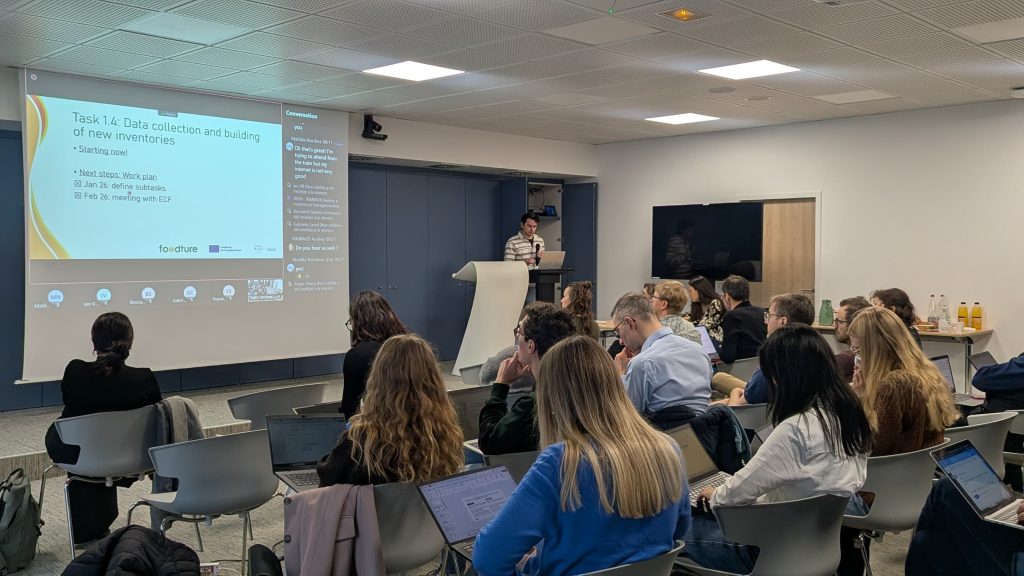
Building One of Europe’s Most Exhaustive Food LCA Data Infrastructures
FOODTURE is developing a large, open, and harmonised life-cycle inventory (LCI) framework for food systems. This includes data covering farming, processing, packaging, transport, and consumption stages, matched to highly detailed FoodEx2 classifications.
Key advances include:
- Integration of leading environmental datasets (e.g., Agribalyse, Ecoinvent)
- Expansion of inventories for under-represented systems, such as organic production
- Improved representation of regional production practices and trade
- New methods to reflect spatial variability using geographic and remote-sensing data
These efforts aim to enable fair, science-based comparisons between foods, diets, and production systems, without oversimplification.
Advancing PEF+ and Multi-Criteria Food System Assessment
A central focus of FOODTURE is the development of PEF+, an enhanced Product Environmental Footprint methodology adapted to the complexity of food systems. Year 1 progress included:
- Mapping existing environmental standards and indicators used in food sustainability assessment
- Defining methodological building blocks for PEF+ through internal and external expert exchanges
- Preparing guidance for future single-score approaches that remain transparent and scientifically robust
PEF+ is designed to go beyond climate impacts alone, supporting multi-impact decision-making for policymakers, businesses, and monitoring bodies.
From Foods to Diets: Modelling Food Baskets and Consumption Patterns
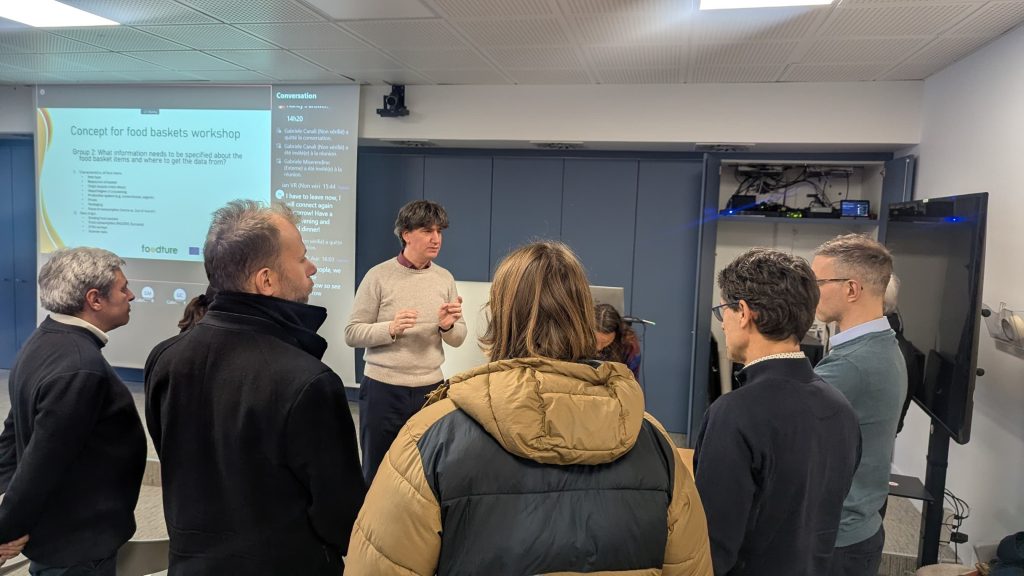
FOODTURE is shifting the assessment focus from individual products to real-world diets and food baskets. The consortium defined an approach to model food baskets that represent 80% of consumption in selected European regions, accounting for:
- National and regional dietary patterns
- Socio-economic and cultural drivers of food choice
- Production systems, origins, processing levels, prices, and packaging
- Current diets, alternative diets, and future scenarios shaped by policy or innovation
Preliminary modelling already produced first-country-level results for greenhouse gas emissions and freshwater eutrophication, offering early insights into how diets differ in their environmental footprints across Europe.
Linking Food, Health, Environment, and Animal Welfare
A defining feature of FOODTURE is its multi-dimensional assessment framework. Year 1 work advanced methods to quantify:
- Nutritional quality and diet-related health outcomes
- Human health impacts linked to pesticide exposure
- Social and economic risks along food supply chains
- Animal welfare outcomes across different production systems
Several PhD projects were launched to address key methodological gaps, including the impacts of food processing, organic versus conventional production, and the role of production location in shaping sustainability outcomes.
From Research to Real-World Impact
All FOODTURE developments feed into a shared objective: practical usability. The project is laying the groundwork for:
- Open databases and interoperable tools
- Policy-relevant food system indicators
- Comparable food and diet impact scores
- Decision-support tools for public authorities, industry, farmers, researchers, and civil society
By combining scientific depth with openness and transparency, FOODTURE aims to support credible sustainability claims, better policy design, and more informed choices across the food system.
What’s Next for FOODTURE?
In Year 2, the project will:
- Finalise indicator integration across all sustainability dimensions
- Select countries and regions for detailed food basket case studies
- Validate methods through real-world applications
- Scale datasets, models, and tools for broader European use
FOODTURE continues to move from understanding food system impacts to enabling actionable, science-based transformation, helping make sustainable food choices the default, not the exception.